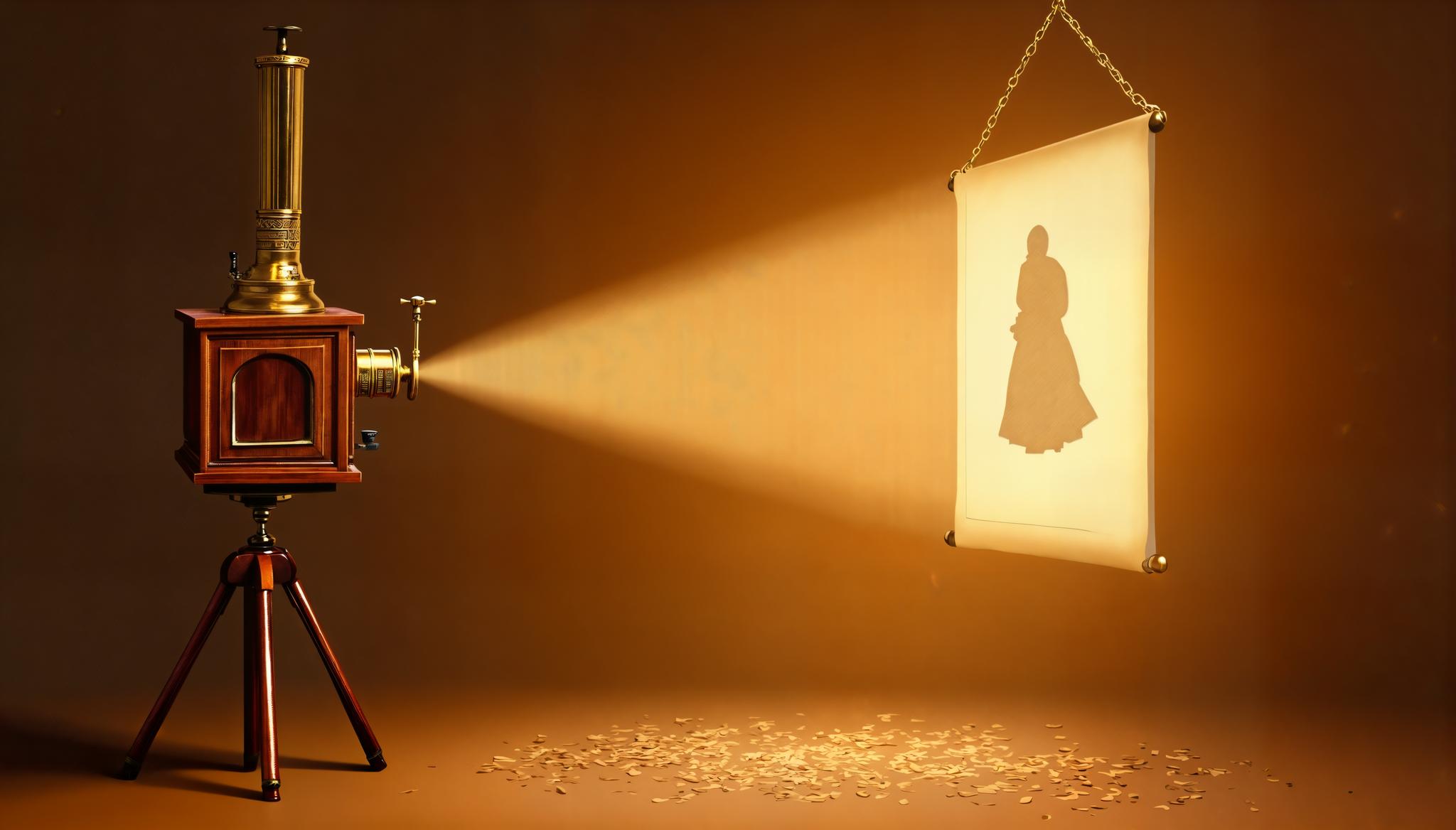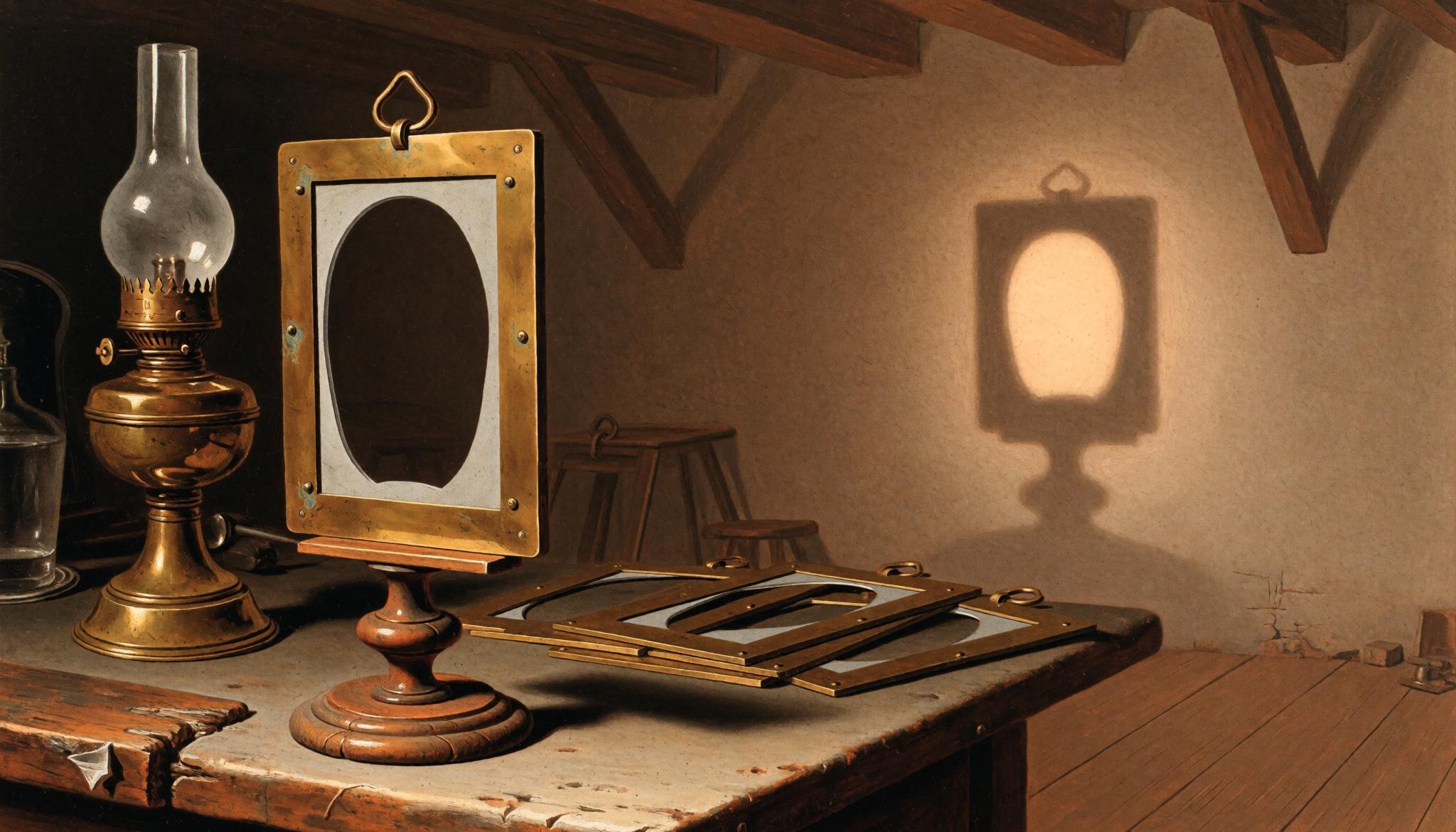

A decision is in front of you. You look at the moves on the table, weigh them, and pick the best one. It feels like clear thinking. It feels like dealing with the world as it is.
Here is the part you cannot feel: the list was cut before you looked at it. Something removed most of the options before your thinking started. You chose carefully from a short list and called it the whole world.
I call that thing the filter. I run one. You run one. Here is how it works, and how I am learning to catch mine.
What the filter is
The filter is built from two rules, and they are simple.
Rule one: what you believe is possible. Not what is actually possible. What you believe is possible, which is a much smaller circle. It comes from your history. What has worked for you, what has failed, what you watched other people try, what the people around you called realistic.
Rule two: what you already know how to do. The moves you could make today without learning anything new first.
An option has to pass both rules to reach you as a real choice. If it fails either one, it gets cut before you can think about it. Not turned down after some thought. Cut before thought, so you never feel yourself saying no. It just never shows up on the list.
This is not a flaw in you. It is how the mind saves effort. If you truly weighed every option in every situation, you would never decide anything. The filter is good engineering. The problem is not that it exists. The problem is that it is set to an old world.
Why it feels like real life
The filter is hard to catch because of where it sits. It works before your thinking starts. The options it cuts are gone before you show up, so what reaches you is already the short list. And the short list does not arrive with a label on it. It arrives as the situation. As the plain facts. As what is on the table.
That is what makes it dangerous. A belief you can argue with, because you can hear it as a belief. The filter does not show up as a belief. It shows up as the way things are, as the simple sense that these two or three moves are all there is. You cannot argue with something you cannot see. And you cannot see something that feels like the floor you are standing on.
So the years pass, and the same few moves keep being the only moves, and it never reads as a pattern in you. It reads as the world being a certain fixed size. The filter’s best disguise is that it feels like being realistic. The people running the tightest filters often call themselves the most practical.
How it shrinks your world
The filter cuts twice, and the second cut is the one most people miss.
The first cut happens inside a decision. Options get removed before you weigh them. The second cut happens earlier, before any decision exists. The filter steers you away from whole pursuits. If a path would need moves you do not believe are possible, or moves you do not know how to make, you never feel yourself avoiding it. You just feel not drawn to it. It registers as taste, not fear.
Then life confirms the filter. You stay in the situations it approves. You make the moves it allows. You get the results those moves produce. And every round makes the world look more like the size the filter said it was. The filter deletes the evidence against itself before that evidence can form. It does the same thing the acceleration script does with your pace, and the same thing image-pursuit dressed as ambition does with your reasons: something hidden shaping what you build, while feeling like just how things are.
How to catch it
You cannot catch the filter by staring harder at the options in front of you. Those are the survivors. The ones that matter are the ones that got cut, and they leave no trace, because they were gone before your thinking arrived.
So you catch it sideways, by the shape of the list. The clue is a list that stays short. When only two or three moves feel real, and that stays true across situations that are actually very different, the shortness itself is the tell. Different situations should produce different lists. The same narrow list everywhere is the fingerprint of a filter doing the sorting.
When you notice it, ask one question before you choose: what got cut before I got here? Name one option the filter removed. Hold it up. Then run the test the filter skipped: does this fail on real evidence, or does it only fail on being unfamiliar? That is the whole move. Most cut options, when you actually look at them, were never impossible. They were just outside what you know how to do today, and the filter quietly translated unfamiliar into impossible without telling you.
That translation is where the work lives. Unfamiliar can be learned. Impossible cannot. The filter treats them as the same thing. Catching the filter is mostly catching that swap while it happens.
What changes
Catching the filter does not hand you certainty. It does not flood the table with new options either. The change is quieter than that, and it lasts.
The list stops being fixed. You start to feel the difference between an option that is truly off the table, ruled out by real evidence, and one that only feels off the table because you do not know how to do it yet. The first kind stays out, and it should. The second kind moves from the impossible pile to the learnable pile. That one move is most of how a person’s range grows.
The filter does not go away, and you would not want it to. It is doing useful work. What changes is that you can see it sometimes, and a filter you can see is a filter you can question at the edges. The world stops being one fixed size. It becomes a function of what you are willing to hold up to the light before you let it get cut. The state you are in decides most of this before you do, which is why build from the state you’re in sits underneath this whole post. The filter is one of the ways that state decides what you will even try.
I still catch mine running. Mostly after the fact, when a move I never considered turns out to have been sitting there the whole time. Catching it late still counts. The list in front of you right now is probably shorter than the world is. Worth asking what got cut.